

Rules and Regulations
Hampshire Squash wants players, captains, markers, and clubs to have a clear starting point for understanding how the game is played and what is expected on and off court. The official rules are set by World Squash and supported in England through England Squash guidance and conduct policies.
This page is an overview for guidance and signposting. For full wording and formal interpretation, always refer to the official documents linked below.
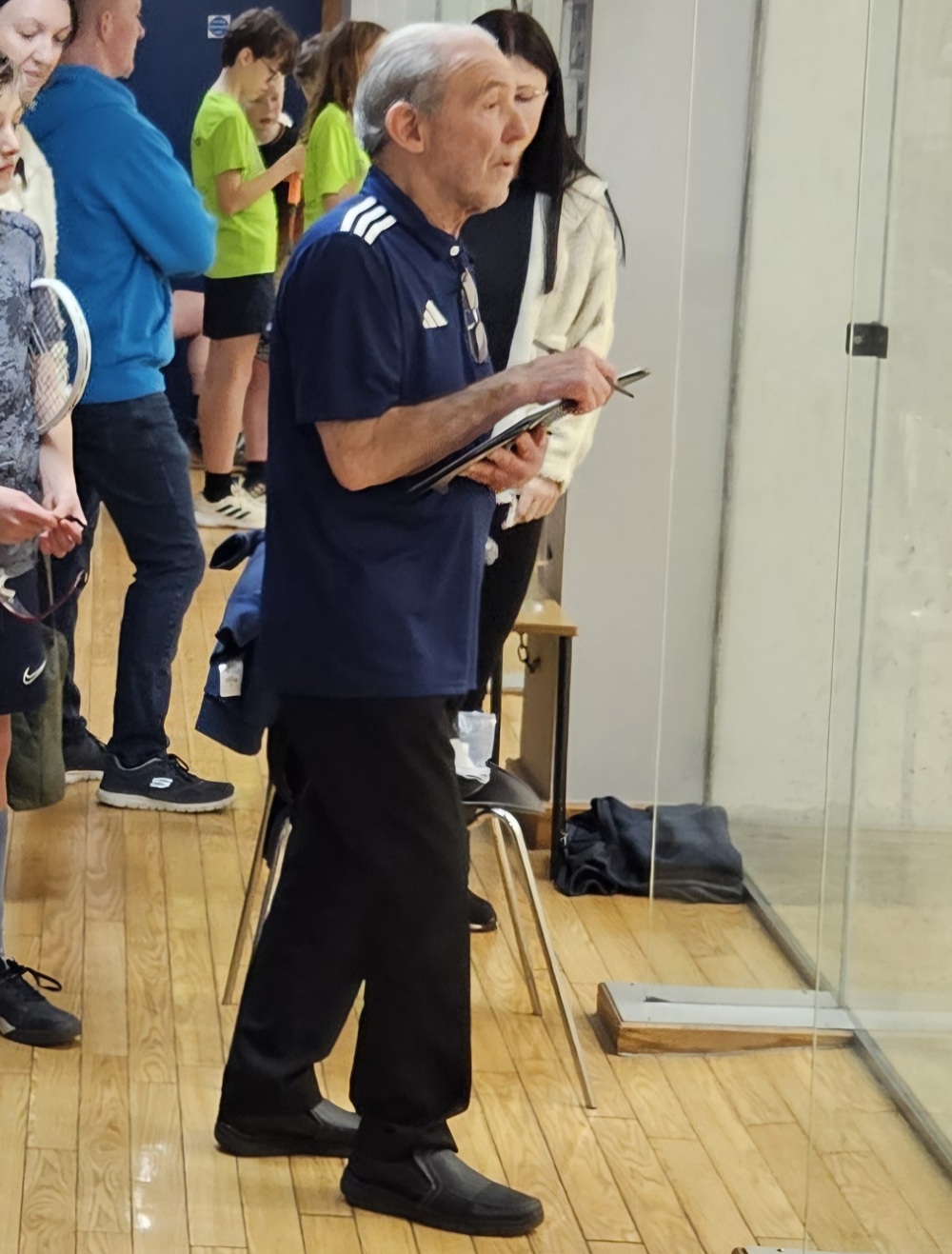
Referee Mentor Spotlight: Stan Thornton
Help the Next Generation of Referees
Stan Thornton, a Hampshire Squash England Squash referee, is in his seventies and still passionate about giving back to the game. He is actively looking for new apprentices to mentor and support on the path to becoming qualified referees.
If you care about fair competition, enjoy learning the tactical side of squash, and want to build confidence in match situations, this is a brilliant opportunity to learn from an experienced official.
You do not need to be an expert to start. Enthusiasm, commitment, and a willingness to learn are what matter most.
Core Rules of Squash
Singles
The singles rules cover scoring, lets and strokes, interference, serves, rallies, and the basic structure of a match. Players new to competition should make sure they understand how decisions are made during normal play.
Doubles and Alternative Formats
If your club also runs doubles activity, use the official doubles rules rather than assuming the singles framework applies in the same way.
Squash 57 and Beginner Resources
Squash 57
Squash 57 has its own rule set and is a useful entry point for players who want a slightly more accessible version of the game while still competing seriously.
Getting Started
New players, occasional markers, and parents can benefit from simplified rules posters and entry-level guidance before moving on to the full rule books.
Refereeing and Match Management
Markers and Referees
Good officiating helps matches run fairly and calmly. Captains and clubs should encourage players to learn the practical application of lets, strokes, conduct, and player communication.
Junior Officiating Guidance
Junior competition benefits from age-appropriate officiating support, particularly for younger players and those new to organised competition.
Injury, Conduct, and Standards
Managing Injury
Players and markers should understand how injury time and treatment are managed so that decisions are consistent and fair during competitive matches.
Code of Conduct
Positive behaviour matters as much as knowing the rules. Players, referees, spectators, and organisers should all help create a fair, respectful competitive environment.
For Clubs and Team Captains
Clubs should make sure captains and regular markers know where to find the current rules, how to handle common refereeing situations, and what to do if a conduct issue needs to be reported. A short pre-season refresher can prevent a lot of confusion later in the season.
Hampshire Squash clubs may also want to consider rules-awareness workshops and practical refresher sessions before league campaigns begin.
Explore markers awareness training